
Blog
Liposuction Cannulas: How to Choose Tip, Diameter, Length and Connection

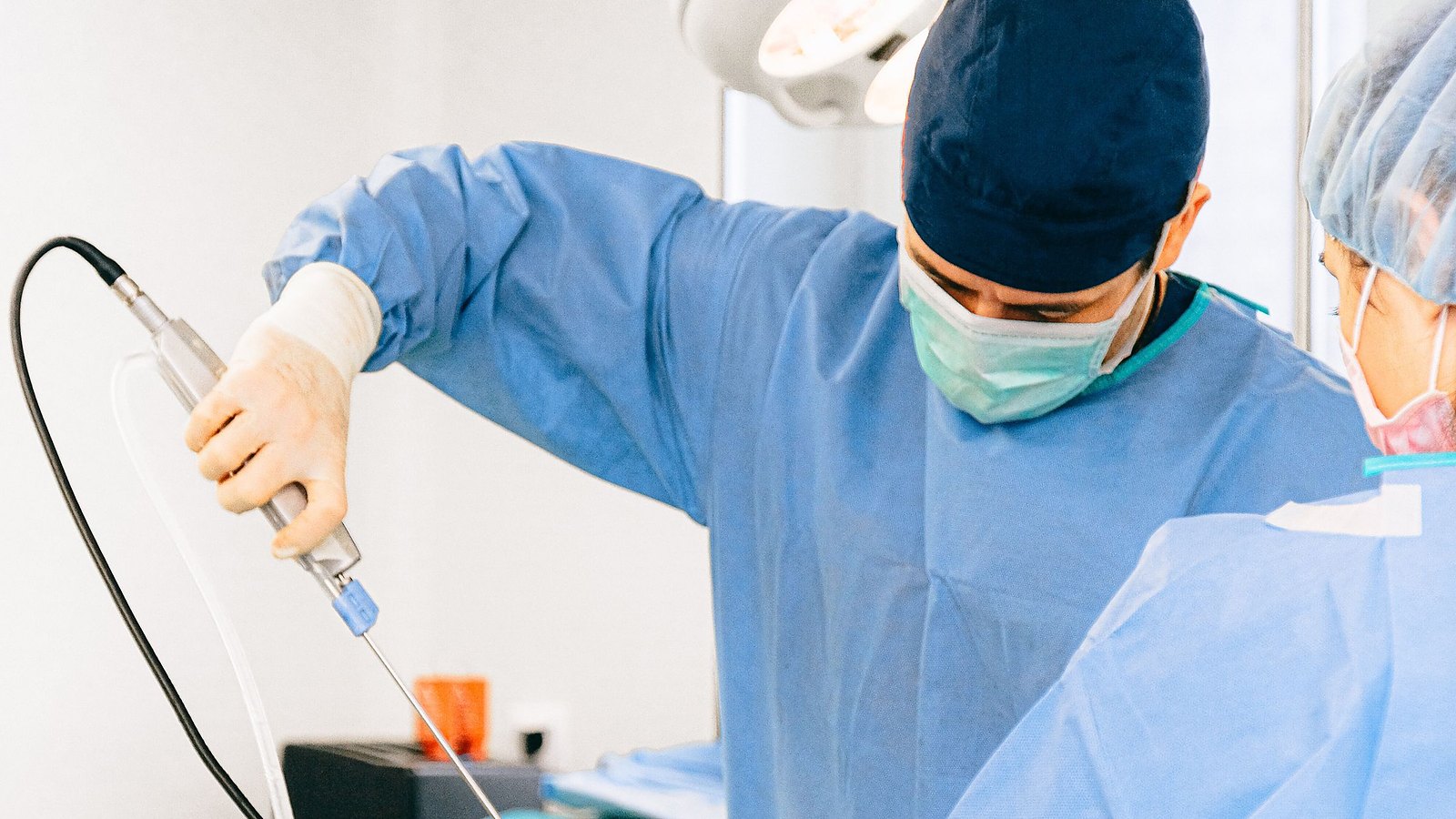
Ask three plastic surgeons which liposuction cannula they reach for first and you will probably get three answers. Tip design, diameter, length and the way the cannula connects to suction all change how it feels in the hand and what it does to the fat it removes. This guide covers the questions buyers ask us most often, so you can put together a set that fits the procedures you actually do.
1. Start with the connection
The connection decides what the cannula attaches to, so it is worth settling first.
- Luer Lock. Screws straight onto a Luer Lock syringe. This is the usual choice for syringe liposuction, fat harvesting for grafting, and facial or small-area work where the surgeon wants fine control and gentle negative pressure. Our Luer Lock cannulas come with a standard aluminium or steel hub, or a larger Super Luer Lock handle that gives a firmer grip on longer strokes.
- Toomey and threaded fitting. A Toomey handle takes a Toomey syringe or tubing adapter, while the threaded fitting lets one handle be swapped between several cannulas. Clinics that work with tubing and aspirators, or that want fewer handles on the tray, often prefer this route. See our Toomey and threaded cannulas.
- Power handle. For machine-assisted liposuction the cannula fits a fixed power handle connected to the aspirator. Larger volumes and body contouring are where these earn their keep. Our power handle cannulas are available with a standard finish or a gold titanium-coated tip.
2. Pick the tip for the job
The tip shape and the number of ports control how aggressive the cannula is. More ports and sharper port edges remove fat faster but are harder on tissue. Fewer, smoother ports are gentler and keep fat cells intact for grafting.
- Single and two-hole tips are gentle, predictable and easy to clean. They suit fat harvesting, finishing passes and patients with thin skin.
- Mercedes tips have three ports around the tip. They are the workhorse pattern for general liposuction because they balance speed and control.
- Tri-port, accelerator and helix tips have more aggressive openings. They move through fibrous areas such as the back, flanks and male chest more easily, and are popular for gynecomastia and revision cases.
- Basket and cobra tips have a grid or slotted end that breaks up dense fat. They are usually reserved for firm tissue rather than delicate areas.
- Spatula and spoon tips are flattened. Surgeons use them to work in a single plane, for example under the chin or along the jawline.
- Infiltration cannulas have many small holes along the shaft. They spread tumescent fluid evenly before aspiration and are not meant for suction.
- Dissectors such as the V-dissector release fibrous bands and adhesions. They are useful in revision work and before fat grafting in scarred areas.
3. Diameter: smaller for detail, larger for volume
As a rough guide:
- 1.2 to 2.4 mm for the face, neck, fine sculpting and micro or nano fat harvesting.
- 3 mm for arms, knees, inner thighs and most fat harvesting for grafting.
- 4 to 5 mm for the abdomen, flanks, back and outer thighs where volume matters more than fine detail.
Many surgeons start a deep layer with a larger cannula and finish closer to the skin with a smaller one, so it makes sense to buy the same tip in two or three diameters.
4. Length follows the area and the access point
Short cannulas (10 to 15 cm) are easier to control in the face and small areas. Body work usually needs 20 to 30 cm, and long strokes across the abdomen or back may call for 35 cm. A length that is too long for the area is tiring to use and harder to keep in the right plane.
5. Fat transfer needs a few extra pieces
If you graft as well as harvest, look beyond the cannulas themselves. Luer-to-Luer transfer adapters move fat between syringes without exposing it to air. Nano fat filters emulsify and filter fat for very fine injection. Syringe stop locks hold the plunger so the syringe keeps its vacuum while you work. An injection gun gives an even, measured dose with every click. All of these are in our liposuction accessories, and complete kits are listed under liposuction and fat transfer sets.
6. Cleaning is where cannulas fail
Fat and blood dry quickly inside a narrow lumen, and a cannula that is not cleaned properly cannot be sterilized properly. A few habits make a big difference:
- Flush each cannula with water straight after use, before anything dries.
- Push a cleaning brush of the right diameter all the way through the lumen and through every port.
- Wash with a neutral pH detergent, rinse well and dry the inside with compressed air if you have it.
- Check each tip under good light. Burrs, bent shafts or loose hubs mean the cannula should be repaired or replaced.
- Autoclave as normal. Stainless steel cannulas are fully reusable when they are cared for this way.
Our general cleaning and sterilization guide covers the rest of the process.
A sensible starter set
For a clinic setting up for the first time, a good base is: one infiltration cannula, Mercedes tips in 3 mm and 4 mm, a more aggressive tri-port or accelerator for fibrous areas, a gentle two-hole cannula for harvesting, and a small 2 mm cannula for detail work, all in the same connection type. Add transfer adapters and stop locks if you graft. You can grow the set from there as your caseload shows you what you reach for most.
Deens Surgical makes liposuction cannulas in Sialkot from medical-grade stainless steel, in standard sizes or to your own specification. Browse the full Liposuction & Fat Transfer range, or contact us for wholesale pricing, custom lengths and private-label marking.